Regular Heart Health Checkups Could Save Your Life
Did you know that heart disease is the leading cause of death around the world? Despite this, it’s often silent and easy to miss. If you’re like most people, it’s probably been a while since you thought about your heart health. But ask yourself—when was the last time you actually checked on your heart? Just like regular maintenance keeps a car running smoothly, a quick check on your heart could be what stands between you and a healthier, longer life.
Here are seven solid reasons why taking the time for a heart checkup is one of the best things you can do for yourself and the people you love.
1. The Silent Risk: Heart Disease Often Goes Unnoticed
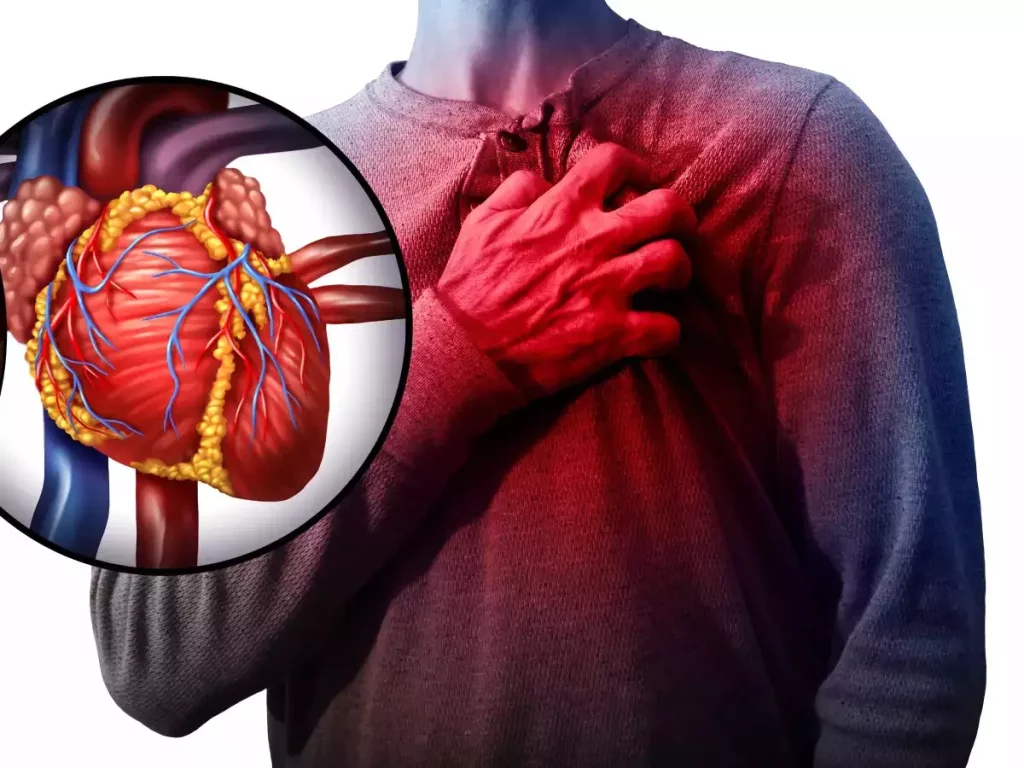
Heart disease can sneak up on us. Many people don’t even realize something’s wrong until it’s serious. Unlike a cut or bruise, heart issues often develop quietly. Subtle things like feeling extra tired, getting short of breath easily, or noticing a flutter in your heartbeat can be easy to ignore—but these are signs that your heart might need attention. Take Sarah’s story, for example: at 45, she shrugged off her tiredness until she finally went for a checkup. What she discovered helped her catch a serious heart issue early on, giving her time to make lifestyle changes and get the help she needed.
2. What Actually Happens During a Heart Health Checkup?
A heart checkup isn’t as complicated as you might think. Here’s a quick rundown of what to expect:
- Electrocardiogram (EKG): A simple test that measures your heart’s electrical activity to see if everything’s working as it should.
- Stress Test: They’ll check how your heart performs when you’re active.
- Blood Pressure and Cholesterol Screening: High numbers here are a red flag, showing that your heart is under more strain than it should be.
Each of these tests is painless and usually quick. Combined, they offer a big-picture view of how your heart is doing, even if you feel fine.
3. Catching Problems Early Can Save Your Life
One of the biggest reasons to get a regular checkup is early detection. If something’s off, there’s a good chance you can manage it with small lifestyle changes or medication, stopping a bigger problem before it starts. Imagine catching high blood pressure early and adjusting your lifestyle before it turns into a full-blown crisis—checkups can help add years to your life by catching issues early.
4. Tailored Health Tips Just for You
Heart checkups are like having a personal roadmap for your health. After your checkup, your doctor can give you specific advice based on your results. Maybe your blood pressure is high, but everything else looks good—this could be your nudge to manage stress better or tweak your diet. When it comes to health, there’s no one-size-fits-all, and a heart checkup is a great way to figure out what you need to live a healthier life.
5. Peace of Mind for You and Your Loved Ones
Knowing your heart is in good shape is priceless, both for you and for the people who care about you. Heart checkups aren’t just about preventing problems; they’re also about the peace of mind that comes from knowing where you stand. Investing a little time to stay on top of your health can help you feel confident about the future—for yourself and those around you.
“Book Your Heart Health Checkup Package”
6. Small Lifestyle Changes, Big Impact
Sometimes, the little things make the biggest difference. With your checkup results in hand, you can make easy, manageable changes like adjusting your diet, finding a stress outlet, or starting a simple exercise routine. We’ve even made it easy for you—download our Heart-Healthy Lifestyle Checklist and start with one small change today. Each little effort adds up to a healthier heart.
7. Prioritizing Your Heart Health Is Easier Than You Think
If you’ve been putting off a checkup because you think it’s a hassle, think again. Whether you’re over 40, have a family history of heart disease, or just want peace of mind, setting up an appointment is simple. It’s one small step toward a healthier you, and the rewards can be huge.
Many UKHC packages also include a GP consultation, which is key if you’re having any symptoms like breathlessness, dizziness, or palpitations. Our Group 2 packages provide Echocardiograms or Calcium Score CT scans.
If you are looking for information on heart health and the best ways to monitor your health – we provide an extensive amount of information and offer help and guidance, the below table is designed to provide an overview as to why each test is important and what information it provides within any diagnosis.
✅ Heart Health Tests: What They Do
| Test | What It Tells You | Availability |
|---|---|---|
| Blood Pressure Check | Detects high blood pressure (hypertension) | ✅ Included in most packages |
| Cholesterol Profile | Breaks down LDL, HDL, total cholesterol | ✅ Included |
| Blood Glucose (HbA1c or Fasting) | Identifies diabetes risk, which affects heart health | ✅ Included |
| Resting ECG | Assesses heart rhythm and electrical signals | ✅ Often included |
| Echocardiogram (Ultrasound) | Shows how well your heart is pumping and if valves or chambers are working correctly | 🔄 available in Group 2 packages |
| BMI & Waist Measurement | Helps assess risk from central obesity | ✅ Included |
| Lifestyle Risk Review | Assesses habits, family history & emotional health | ✅ Included |
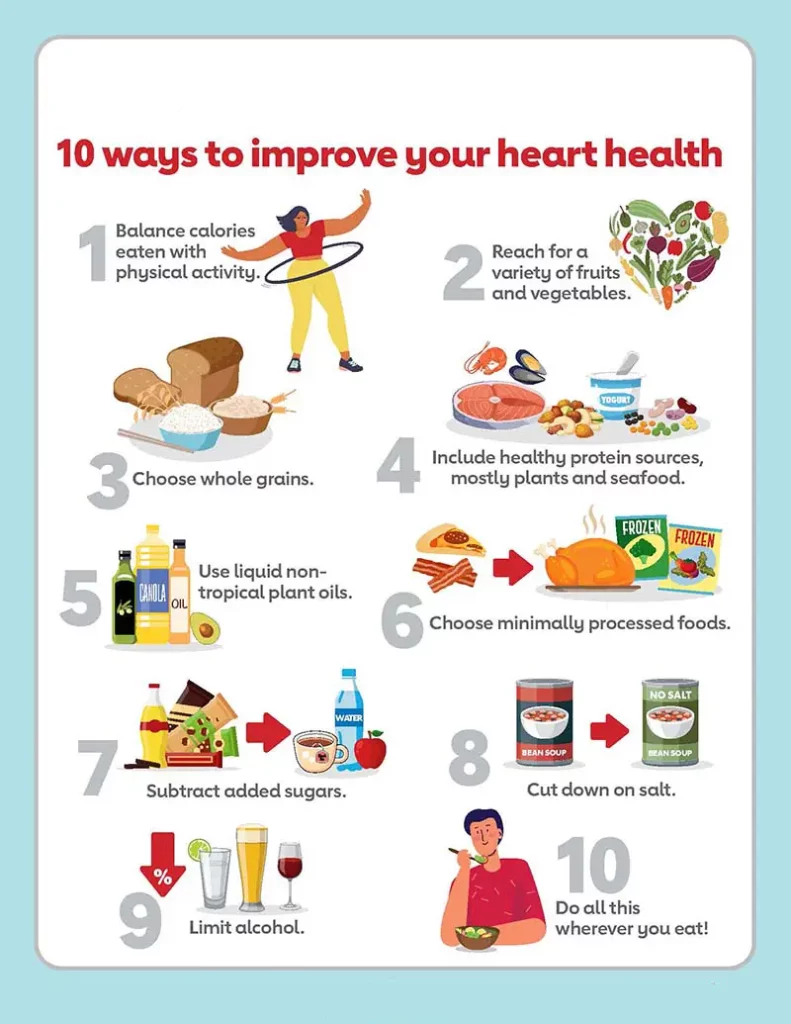
10 Ways to Improve Your Heart Health Infographic
- Balance calories with physical activity.
- Reach for a variety of fruits and vegetables.
- Choose whole grains.
- Include healthy protein sources, mostly plants and seafood.
- Use liquid non-tropical plant oils.
- Choose minimally processed foods.
- Subtract added sugars.
- Cut down on salt.
- Limit alcohol.
- Do all this wherever you eat!